
Patterns tend to become clearer once leasing outcomes are compared alongside insights from real estate consulting advice, particularly after tenants settle into daily routines. Some rentals stabilize quickly with limited oversight, while others require constant involvement due to shared systems, dense layouts, and overlapping responsibilities. Much of that difference comes down to property structure.
At PMI Sunshine State, we manage strictly residential properties throughout Miami, FL, and we see how single-family homes often support calmer operations and more predictable results. From maintenance planning to rent positioning, detached homes tend to align well with owners who prioritize clarity and long-term control. The sections below outline why these properties perform the way they do and how owners can apply those advantages more strategically.
Key Takeaways
- Single-family homes reduce operational friction by limiting shared systems and shared spaces.
- Flexible layouts and private outdoor areas often support longer tenant retention.
- Neighborhood-based competition provides clearer pricing opportunities.
- Maintenance planning is simpler when issues affect only one household.
- Portfolio growth becomes easier to manage when assets operate independently.
Property design plays a major role in daily operations
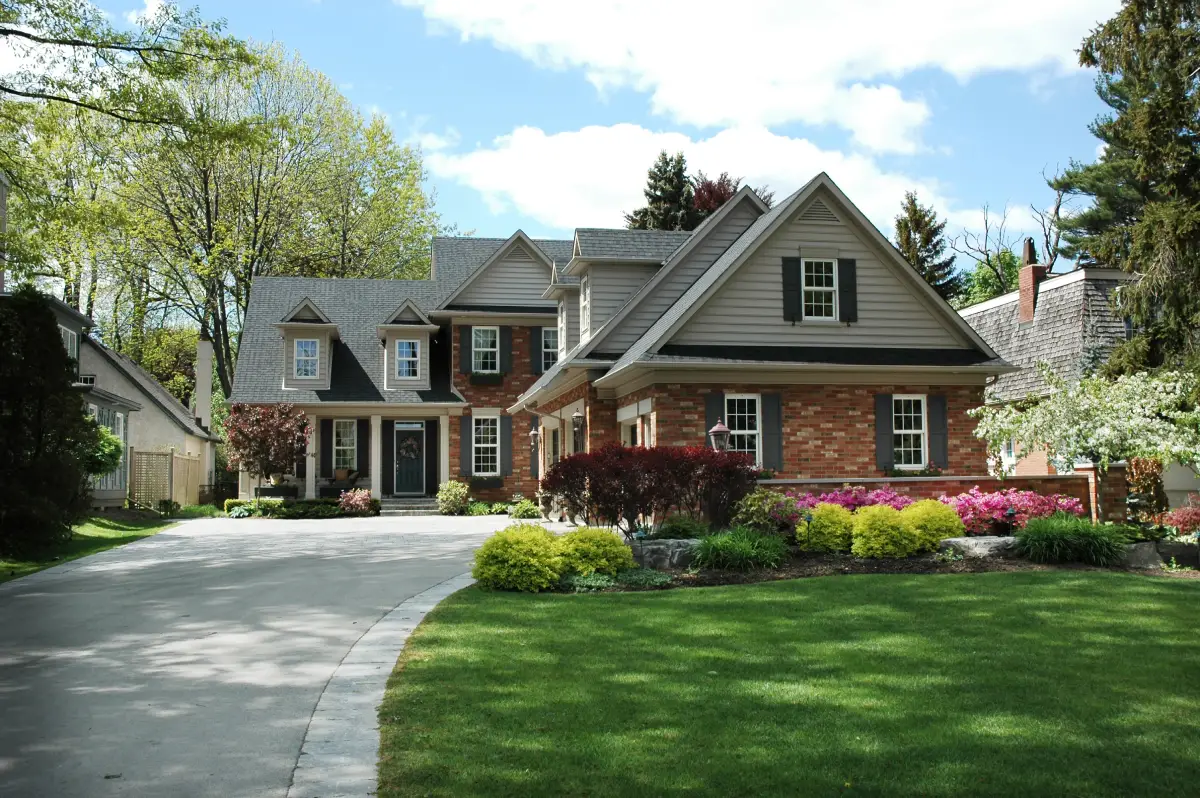
Every rental property sets expectations long before the first service request appears. Single-family homes are built around one household’s lifestyle, which naturally limits overlap in daily living.
In higher-density housing, shared walls, elevators, and parking areas can turn small inconveniences into ongoing disputes. Detached homes remove many of those pressure points. Tenants manage their routines without negotiating space or noise with neighbors, which often leads to fewer complaints and clearer communication when issues do arise.
Why fewer shared elements matter
Lower density generally results in fewer messages related to noise, parking confusion, and shared-area wear. Over time, this reduction in friction can translate into more consistent management and fewer urgent interruptions.
Outdoor space supports everyday living in Miami
Outdoor space carries real value for renters in Miami. Yards, patios, and driveways provide flexibility that many tenants struggle to find in denser properties.
Private outdoor areas support everyday activities like hosting guests, managing pets, or simply spending time outside without shared rules. That comfort often contributes to higher satisfaction and stronger renewal rates, particularly in a market where lifestyle matters.
Here are a few outdoor features that frequently support stability:
- Fenced yards that appeal to pet-friendly households
- Driveways that reduce daily parking conflicts
- Patios or porches that add usable space without shared upkeep
Layout flexibility helps tenants stay put
Floor plans influence turnover more than many owners expect. Single-family homes often provide the bedroom count, storage, and adaptability that help tenants stay through lifestyle changes.
Extra rooms become offices. Dining areas shift into study spaces. Bonus rooms serve multiple purposes over time. In Miami, where tenant needs evolve quickly due to career changes or family growth, adaptable layouts reduce the pressure to relocate.
Owners reviewing mortgage rate guidance often notice that functional layouts influence long-term performance just as much as financing decisions.
Pricing leverage looks different for detached homes
Pricing pressure behaves differently depending on property type. Multifamily properties often compete internally, with similar units influencing one another’s rent levels. Short-term concessions can ripple through an entire building.
Single-family homes compete primarily by neighborhood and features. Location, condition, outdoor usability, and layout matter more than uniformity. This gives owners greater flexibility to align rent with value rather than reacting to identical nearby units.
National trends reflect this separation, with single-family rents reported as 20% higher than multifamily rents.
What pricing flexibility allows owners to do
Detached homes can reflect improvements like durable flooring, updated kitchens, or enhanced outdoor areas more clearly in rent. These upgrades are harder to distinguish in properties where units share the same footprint.
Maintenance planning stays more predictable
Shared infrastructure adds complexity. In denser properties, a single plumbing issue or mechanical failure can affect multiple households, increasing urgency and coordination demands.
Single-family homes typically isolate repairs to one residence. Diagnosis is faster, scheduling is simpler, and budgeting becomes more predictable. Owners can plan reserves based on a single property’s history rather than shared components.
A practical maintenance framework often includes:
- Major systems with known life cycles
- Preventive maintenance schedules
- Wear patterns tied to tenant use
Market demand continues to favor detached housing
Demand for detached living remains strong across many markets. National housing data shows the median existing single-family home price reached $426,800 in the third quarter of 2025, reflecting sustained interest in this segment.
In Miami, many renters continue to seek the privacy and space of a house even if purchasing feels out of reach. That preference often supports consistent applicant flow for well-positioned single-family rentals.
Appraisals help ground acquisition decisions
Great management starts with buying the right asset at the right price. An appraisal helps prevent emotion from driving decisions and provides a clearer view of what the market supports.
Guidance like property appraisal insights can help owners evaluate pricing, renovation scope, and long-term value before committing.
New construction and development considerations
Some Miami owners consider new construction or pre-development opportunities. These paths can work well with realistic timelines and disciplined planning.
Resources covering new construction planning and development process insights help frame expectations around cost, timelines, and risk management.
FAQs about Single Family Homes in Miami, FL
How does climate influence maintenance planning for single-family homes in Miami, FL?
Regular inspections for roofing, HVAC efficiency, and moisture control are important due to heat and humidity, helping prevent small issues from turning into costly repairs over time.
What tenant profiles typically seek single-family homes in Miami, FL?
Families, professionals, and long-term renters often prefer single-family homes for privacy, space, and neighborhood stability, especially when lifestyle flexibility is a priority.
How does zoning impact single-family rentals in Miami, FL?
Zoning regulations can influence occupancy limits, permitted uses, and renovation options, making it important for owners to understand local requirements before leasing or upgrading a property.
Are single-family homes easier to reposition after a tenant moves out in Miami, FL?
Yes, because updates affect one residence, allowing owners to refresh finishes, adjust pricing, and relist without coordinating changes across multiple units.
What factors help single-family homes stay competitive during slower rental periods in Miami, FL?
Functional layouts, responsive maintenance, realistic pricing, and strong neighborhood appeal help maintain demand even when overall market activity slows.
Where Long-Term Performance Gets Decided
Day-to-day results usually improve once the right property type is paired with a clear management approach, and in Miami, single-family homes often set that foundation more naturally. Reduced overlap, easier upkeep, and stronger tenant alignment all contribute to rentals that feel steadier instead of reactive.
At PMI Sunshine State, we focus exclusively on residential properties and help owners turn those advantages into dependable outcomes. Shape a smarter ownership plan by working with our team today!
